
The Invisible Elements of Great Interior Design
When people think about interior design, they often focus on what they can immediately see—beautiful furniture, curated finishes, and thoughtfully styled spaces. But what truly defines exceptional interior design goes beyond surface-level aesthetics. The most successful interiors are shaped by invisible elements: thoughtful planning, balance, proportion, and intention.
At Inspired Spaces Interior Design, Betsy and her team understand that great design isn’t just about how a space looks—it’s about how it functions, flows, and feels. These unseen decisions are what transform a home into an environment that supports everyday living while reflecting each client’s unique lifestyle.
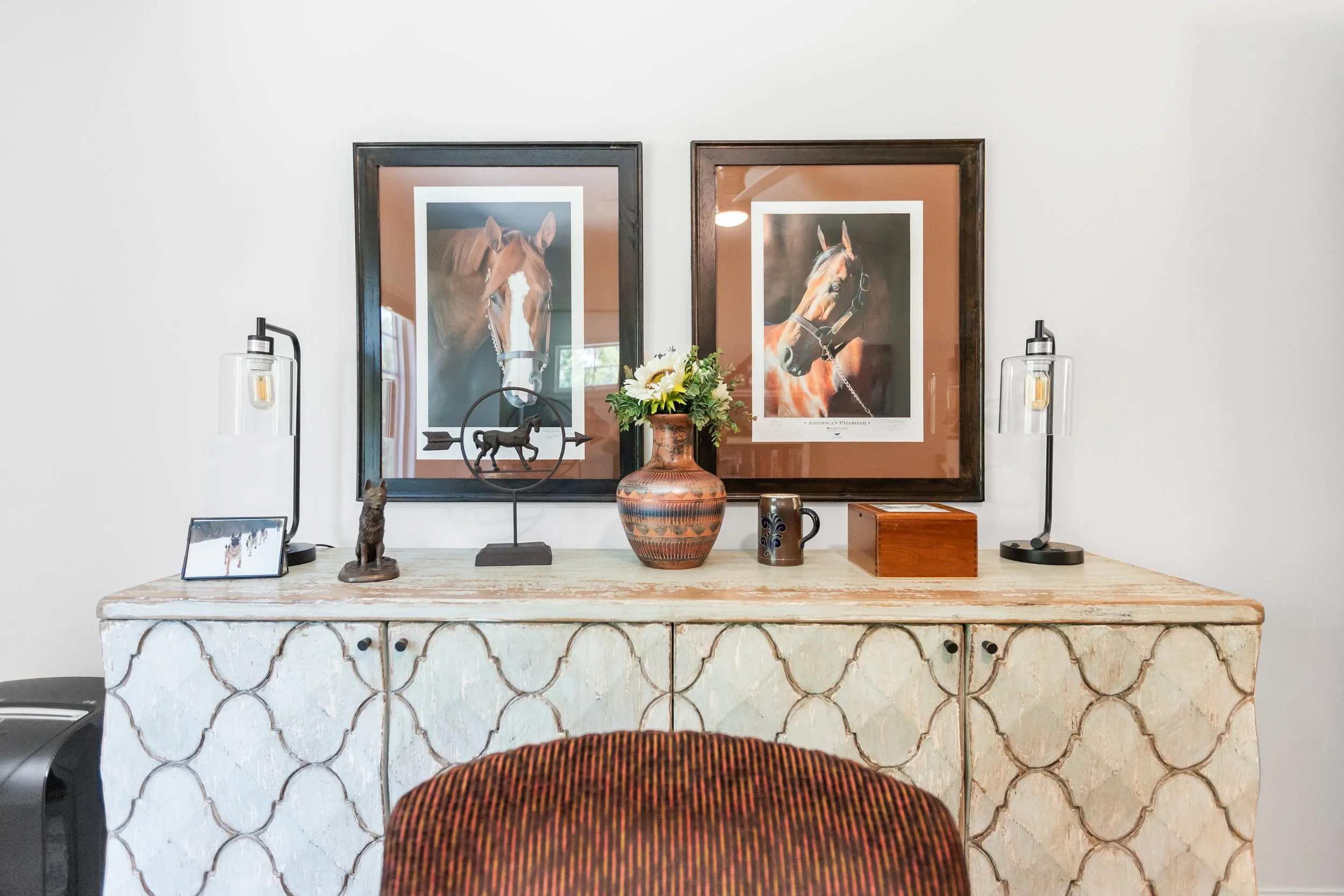
Space Planning: The Foundation of Every Well-Designed Room
Before any furniture or finishes are selected, effective space planning establishes the framework for how a room will function. This process considers traffic flow, furniture placement, and how each area will be used.
When space planning is done well, a room feels effortless to navigate. Furniture is properly scaled, walkways feel natural, and every element serves a purpose. Without this foundation, even the most beautiful furnishings can feel misplaced or uncomfortable.
Thoughtful space planning ensures a home not only looks cohesive, but lives well day-to-day.
Scale and Proportion: Creating Visual Balance
One of the most important—and often overlooked—elements of interior design is scale. The size of furniture, lighting, artwork, and architectural features must work in harmony with the room itself.
Oversized furniture can overwhelm a space, while pieces that are too small can make a room feel incomplete. Interior designers carefully evaluate proportions to create balance, ensuring every element relates appropriately to its surroundings.
This attention to scale creates spaces that feel calm, grounded, and visually cohesive.
Flow: How a Home Connects From Room to Room
Great interior design considers the entire home as a connected experience, not just individual rooms. Flow refers to how spaces transition from one to another, both visually and functionally.
Designers create continuity through consistent color palettes, complementary materials, and thoughtful repetition of finishes. This approach allows each room to have its own identity while still feeling connected to the overall design of the home.
The result is an environment that feels intentional and unified.
Layering: Adding Depth and Warmth
Layering is what gives a space richness and dimension. This includes combining materials, textures, lighting, and furnishings to create visual interest and comfort.
While layering may not be immediately obvious, it plays a critical role in how a room feels. Without it, spaces can appear flat or incomplete. With thoughtful layering, rooms feel welcoming, comfortable, and lived-in.
This balance is achieved through careful selection and placement of furnishings, textiles, and lighting.
Functionality: Designing for How You Live
Beautiful design must also support everyday life. Interior designers consider how homeowners move through their space, where storage is needed, and how rooms will be used over time.
This includes planning for:
Comfortable seating arrangements
Adequate lighting for different activities
Storage solutions that reduce visual clutter
Layouts that support daily routines
These decisions often go unnoticed, but they have a lasting impact on comfort and usability.
Cohesion: The Element That Brings Everything Together
Cohesion is what makes a home feel complete. Every finish, material, and furnishing should feel connected to a larger design vision.
Without cohesion, even well-designed individual elements can feel disconnected. With it, a home feels intentional, balanced, and refined.
Interior designers ensure each decision contributes to a unified result.
Why the Invisible Elements Matter Most
The invisible elements of interior design are what separate a professionally designed home from one that simply looks decorated. They influence how a space functions, how it feels, and how it supports daily life.
At Inspired Spaces Interior Design, Betsy and her team approach every project with careful attention to these foundational details. By prioritizing thoughtful planning, balance, and cohesion, they create homes that feel effortless, elevated, and deeply personal.
Because great interior design isn’t just about what you see—it’s about how your home works for you in ways you may not even notice.