
With the holiday hosting season just around the corner, our kitchens and dining spaces are about to become some of the hardest working rooms in the home. They’re where recipes are prepared, glasses are poured, guests inevitably gather, and everyone eventually finds their way to the table.
The best spaces for entertaining, however, aren’t simply beautiful when the table is set. They’re thoughtfully designed to make gathering feel effortless—from the first guest through the door to the last plate cleared from the table.
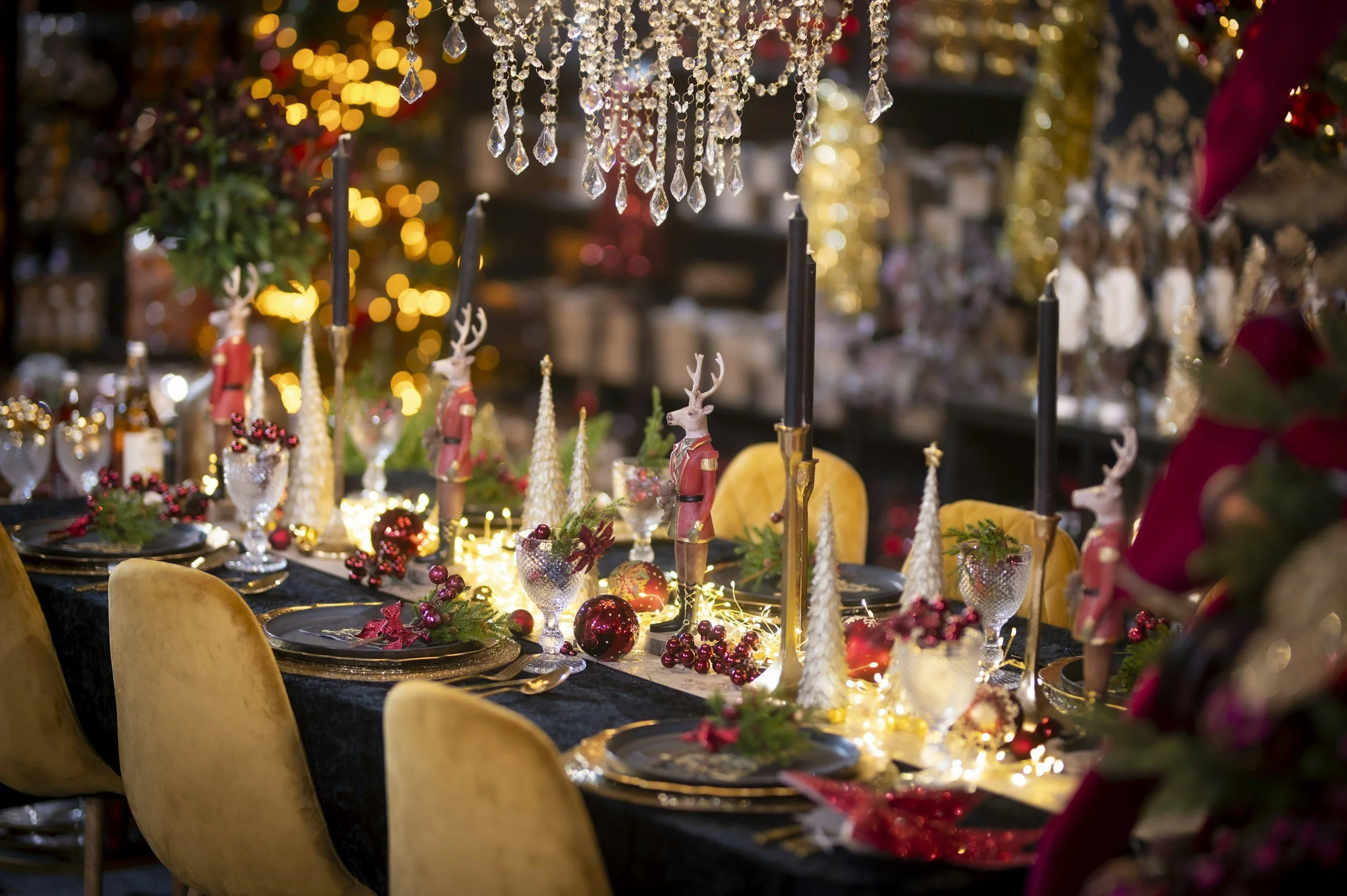
picture via unsplash
It Starts With Flow
When designing a kitchen and dining space, we think beyond how each room looks individually and consider how they function together. During a gathering, there is constant movement between prepping, cooking, serving, dining, and entertaining. Thoughtful space planning helps create an intuitive flow between each of these moments without guests crowding the cook or the host feeling separated from the conversation.
An open connection between the kitchen and dining area can make entertaining feel especially natural, allowing the person preparing dinner to remain part of the gathering while still maintaining dedicated spaces for cooking and dining.
Give Guests Somewhere to Gather
No matter how beautiful the dining table may be, guests always seem to find their way into the kitchen. Rather than fighting it, good design plans for it. A generous island or peninsula can become the unofficial gathering place before dinner; somewhere to set out appetizers, pour a glass of wine, pull up a stool, or simply keep the conversation going while the finishing touches are happening in the kitchen.
The key is creating space for guests to linger without interfering with the kitchen's primary work zones. When those two functions are considered from the beginning, the kitchen can feel social and inviting without sacrificing functionality.
Make Serving Feel Effortless
Some of the most valuable features for entertaining are also the most practical. Ample counter space gives you room for serving platters and last-minute preparation, while a buffet, sideboard, or built-in cabinetry near the dining table provides another surface for food, drinks, or desserts.
Thoughtful storage matters, too. Serving pieces, linens, glassware, and special-occasion dishes are much easier to use when they have a designated home nearby.
Even smaller details—like a beverage station away from the main cooking area—can help guests help themselves while keeping traffic out of the busiest part of the kitchen.
Design for More Than the Holidays
While the holidays may have us thinking about hosting a little more than usual, a well-designed kitchen and dining space shouldn't only work beautifully a few times a year. The same thoughtful decisions that make Thanksgiving dinner easier can make Tuesday-night dinner better, too.
It's a kitchen where family can gather around the island while dinner is being made. A dining table that has room for both everyday meals and a few extra chairs when friends come over. Storage that makes setting the table simpler. Lighting that feels just as inviting over takeout as it does over a holiday meal. Because ultimately, designing for entertaining isn't really about entertaining at all.
It's about creating a home that makes it easy to gather. And whether there are twelve people around the table or just two, those are the spaces where some of life's best moments tend to happen.
